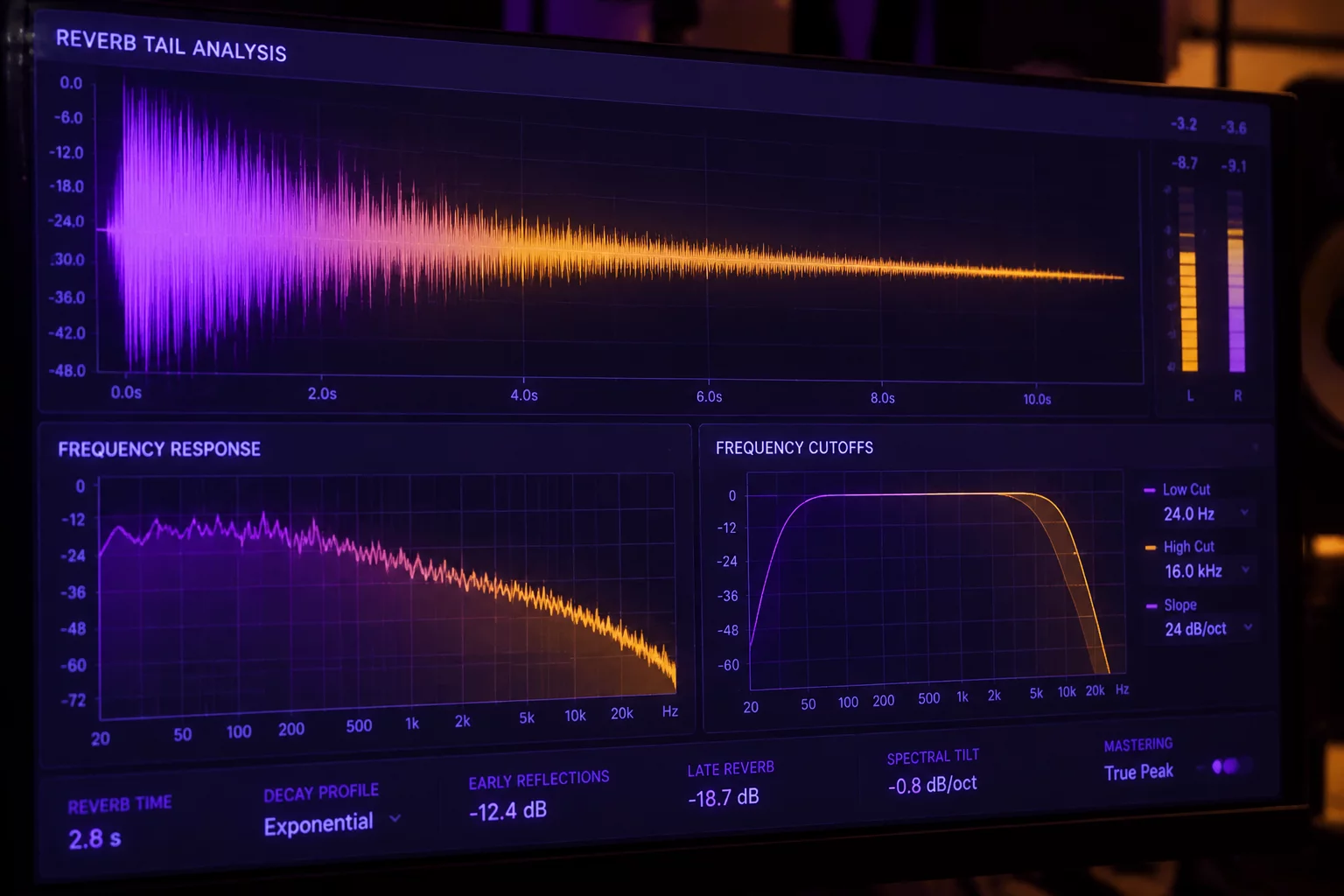

Professional audio mixing workstation and waveform analyzer screens

Architectural Transition Analysis

Know Why These Two Tracks Belong Together

Study transition cases about continuity, contrast, reset, vocal space, phrase entry, and energy change. Unpack the structural reasons two pieces of audio interact seamlessly on the dancefloor.

Structural Handoff Blueprint

Architectural Mechanics of Track Transition Intent

One transition, treated as a complete musical decision: what Track A is doing, where it exits, why the handoff exists, where Track B enters, and which role Track B assumes.

STAGE 01

Track A Role

Initial tonal footprint and rhythm foundation holding dancefloor focus.

STAGE 02

Exit Window

Phrase departure window selected for energy depletion or thematic departure.

STAGE 03

Transition Intent

The decisive acoustic junction where harmonic and dynamic exchange occurs.

STAGE 04

Entry Window

Precise bar point for introduced stems, motifs, or primary downbeat takeover.

STAGE 05

Track B Role

Full sonic takeover establishing the subsequent thematic trajectory.

Deck A • Departing Track

Outgoing Narrative Anchor

Providing tonal context, active groove momentum, and dynamic references before entering the exit phrase.

Exit Window:Bar 32 / Outro 1
Harmonic Root:8A (A Minor)
Dynamic State:Decaying LF Band
Core Modulation Chamber

Transition Intent Zone

HARMONIC HANDOFF PROTOCOL

Root Resonance & Modal Convergence

Preventing dissonance while maintaining emotional trajectory. Harmonic blending balances tonic centers across bars without clashing bass fundamentals or conflicting pad voicings.

Modulation RangeCompatible 8A → 9A (+1 Energy)
Chord Collision RiskSuppressed via 400Hz Notch
Interactive Handoff Topology Matrix
Technique Codex
Deck B • Incoming Track

Incoming Acoustic Focus

Assuming leadership through phrase lock, unmasking fresh mid-range elements, and establishing the new rhythmic cadence.

Entry Window:Bar 1 / Intro Cue 2
Harmonic Target:9A (E Minor)
Takeover State:Full Spectrum Main
Scope of Inquiry

Deliberate Research Scope and Operational Boundaries

TransitionIntent Notebook operates solely as an independent musicological resource examining the micro-architecture of track transitions as intentional compositional decisions.

Educational Focus

What TransitionIntent Notebook Is

A disciplined architectural notebook dissecting harmonic handoffs, energy arc trajectories, and frequency handshakes as purposeful musical gestures rather than utilitarian crossfader shifts.

  • Structural Transition Analysis: Comprehensive breakdowns of phrase boundary alignment, metric tension, and cadence handoffs.
  • Acoustic Density Mechanics: Spectral curve balancing, low-end collision mitigation, and mid-range masking resolution.
  • Narrative Arc Architecture: Theoretical modeling of floor psychology, macro-pacing, and contrast cutting principles.
Format: Analytical Essays & Structural Guides
Explicit Exclusions

What This Publication Is Not

To safeguard absolute editorial integrity and respect intellectual property rights, TransitionIntent Notebook maintains strictly defined legal and distribution barriers.

  • No Audio File Hosting: We do not store, distribute, or provide downloads for audio files, stems, ripped tracks, or promo pools.
  • No Software Distributables: We do not host, distribute, or license digital DJ applications, third-party plug-ins, or cracking tools.
  • No DJ Certification Courses: TransitionIntent Notebook is an independent structural journal, not an accredited DJ academy or testing body.
Compliance: Strictly Educational Commentary
Taxonomy Architecture

Transition Intent Archetypes

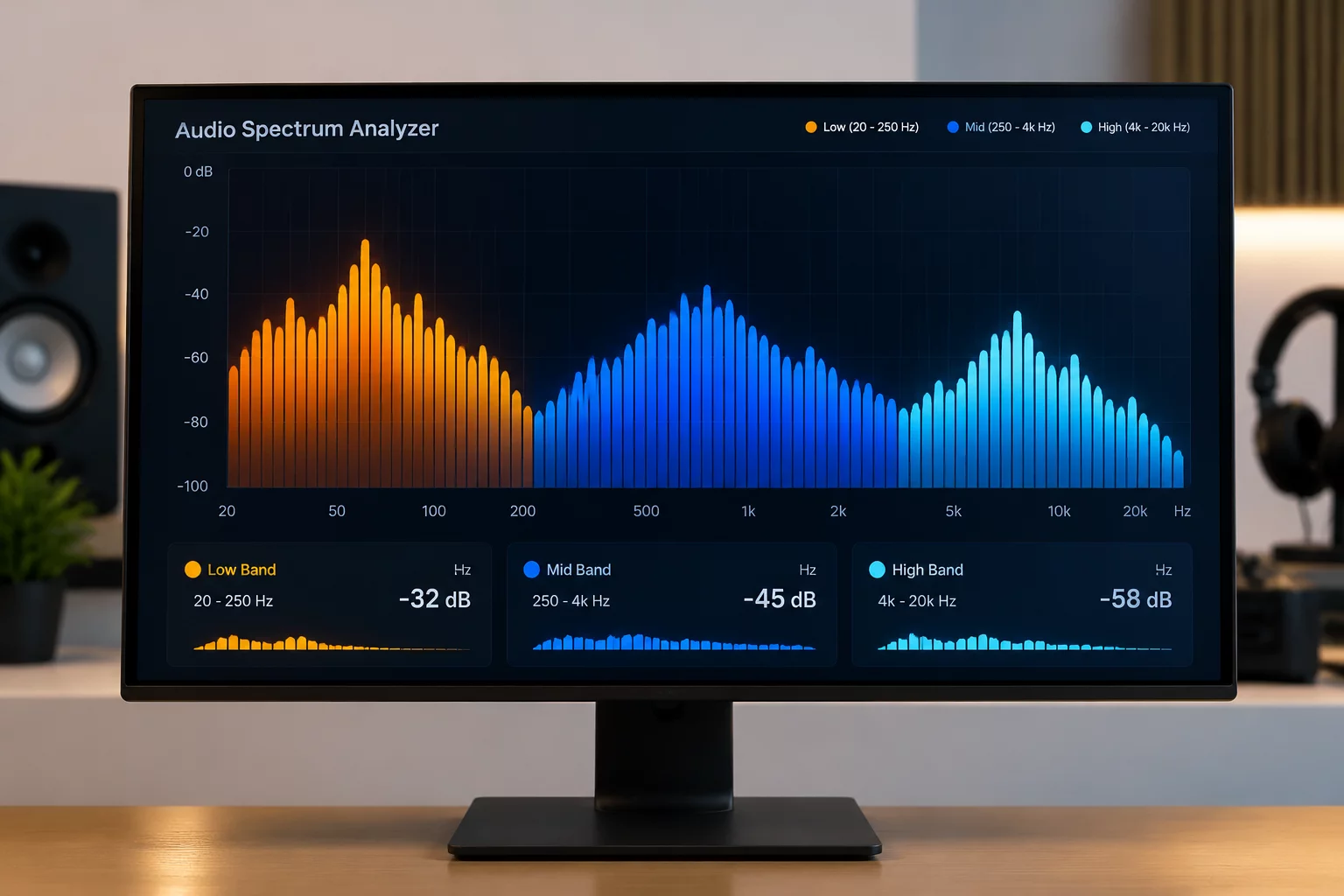
A disciplined acoustic breakdown classifying track handoffs as structural composition. Each archetype governs frequency distribution, bar counting, and acoustic space management.

METHOD 01 Spectral

Continuity Blending

Sustained overlapping frequency bands yielding an imperceptible handover across parallel harmonic lines.

Spectrum: Dual crossover at 300 Hz & 3.2 kHz
Phrase Counting: 32 to 64 bars symmetric
Acoustic Space: Matched decay with stereo preservation
METHOD 02 Dynamic

Contrast Cutting

Surgical instantaneous downbeat incisions creating abrupt structural shifts without transitional warning.

Spectrum: Zero overlap broadband razor cut
Phrase Counting: Exact downbeat bar 1 drop
Acoustic Space: Dry tail truncation to dry transient
METHOD 04 Structural

Vocal Handoff

Calculated speech-band avoidance protecting lyrical integrity during complex multitrack handoffs.

Spectrum: 1 kHz - 4 kHz vocal notch ducking
Phrase Counting: 16-bar antecedent-consequent entry
Acoustic Space: Center phantom channel prioritization
METHOD 05 Spectral

Texture Change

Gradual timbre transformation isolating percussive grit against evolving synthesized atmospheres.

Spectrum: Mid-range resonant bandpass filtering
Phrase Counting: 16-bar polyrhythmic cross-fade
Acoustic Space: Wet ambient collapse to dry attack
METHOD 06 Dynamic

Tempo Context Bridging

Metric reinterpretation utilizing half-time and double-time mathematical divisions to transcend BPM ceilings.

Spectrum: Transient acceleration with sub isolation
Phrase Counting: 4-bar metric modulation pivot
Acoustic Space: Tight gate leading into expanded stereo drop
METHOD 07 Spatial

Closing Transition

Definitive finale deconstruction resolving all harmonic tension into lingering acoustic room quiet.

Spectrum: Exponential HF attenuation & sub bleed
Phrase Counting: Free-time cadential tail extension
Acoustic Space: Long decay dissipating into room silence
Architectural Dissection Engine

Interactive Transition Intent Simulator

Map out the acoustic shift before committing to the next deck. Select the outgoing acoustic EQ stage, define your narrative intent, and configure the incoming spectrum handoff.

Stage 01Track A Exit EQ Modulation
Low Cut (-18 dB)
Stage 02Structural Transition Intent
Continuity Blend
Stage 03Track B Entry Filter Staging
Sub Isolated Bassline Swapped
Spectral Cross-Section MonitorLIVE COMPUTATION
Track A Outgoing SpectrumLow 15% | Mid 85% | High 90%
LOW
MID
HIGH
Track B Incoming SpectrumLow 90% | Mid 40% | High 30%
LOW
MID
HIGH
Fade Curve Architecture:Linear S-Curve Crossfade (16 Bars)
Acoustic Collision Diagnosis:Low frequency collision risk
Recommended Entry Window:Bar 32 Beat 1 (Phrase Outro)
Curated Case Study

Psychology of the Dancefloor Reset Transition

Deliberate kinetic energy purges allow sound systems to breathe and recalibrate anticipation before a massive dynamic statement.

Marcus Vance•2026-10-04
Read Dissection
Empirical Case Analysis

Acoustic Collision Remediation & Headroom Optimization

Vocal Clashing
0.0%

100% zero lyrical collision achieved across overlapping vocal phrases.

Dynamic Headroom
+3.0dB

Consistent dynamic ceiling preservation through calibrated gain staging.

Transition Duration
16Bars

Transition window tightened from an unstable 64-bar unmanaged bleed.

Cutoff Filter Slope
180Hz

High-pass sweep on the outgoing deck to decouple competing low-mids.

Implemented Solution Verified Acoustic Blueprint

16-Bar Low-Cut Exit with Isolated Vocal Windowing

Vocal Isolation Window

Outgoing lyric elements were cleanly muted at Bar 9, granting the incoming vocal exclusive prominence with zero overlap.

180 Hz Low-Cut Exit

A high-pass contour carved fundamental low-mids on the outgoing signal, avoiding bass phase interference completely.

+3 dB Dynamic Ceiling

System master output preserved uninterrupted 3dB RMS headroom without relying on master limiter suppression.

Reference Track Test: 124 BPM House to 126 BPM Deep Tech | Resolution: 24-bit / 48kHz Master Bus
Read Vocal Handoff Architecture
Methodological Value

Direct Operational Outcomes for Track Curation

Five deliberate acoustic and workflow advantages designed to transform transitions into conscious musical choices rather than unexamined technical joins.

01

Elimination of Unintentional Harmonic Dissonance

Rigorous tonal collision auditing resolves polyphonic friction and clashing root notes prior to physical overlap, securing pristine resonance through extended multi-bar blends.

Acoustic CohesionNo Key Clashing
02

Energy Regulation Without Volume Spikes

Disciplined frequency carve-outs balance apparent loudness with textural density, preventing jarring gain escalation while modulating dancefloor tension across peak sets.

Dynamic ControlZero Gain Drift
03

Deliberate Vocal Staging and Space Isolation

Structural arrangement forecasting shields lead vocal hooks from mid-range masking and phase cancellations, isolating verbal narratives within intricate layered selections.

Phase IntegrityLyric Priority
04

Confident Long-Blend Phrase Execution

Exact 32-bar and 64-bar phrase synchronization eliminates hasty crossfader corrections, sustaining uninterrupted architectural evolution during prolonged track handoffs.

Macro PhrasingStable Blends
05

Systematic Transition Archiving for Live Sets

Structured metadata notes store EQ filter profiles, precise cue pairs, and harmonic offsets, ensuring live stage discoveries convert permanently into a dependable performance repertoire.

Set KnowledgeReproducible Mixes

Transition Techniques

Analytical Directory of Transition Mechanics

Detailed acoustic breakdowns examining the exact structural methods used to resolve frequency overlaps, sudden dynamic disparities, and spatial decay.

Consultation & Study

Transition Analysis Inquiries

Submit track pairings, mix recordings, or specific timestamp cues for deep structural deconstruction. We analyze frequency collision dynamics, phrase geometry, and harmonic compatibility across playback contexts.

01

Acoustic Overlap Review

Evaluation of stem balance, low-end collision risk, and filter slope placement.

02

Narrative & Dynamic Arc

Assessment of perceived energy transitions, tempo bridging, and crowd tension reset.

03

Technical Recommendation

Actionable structural advice for live performance and studio set curation.